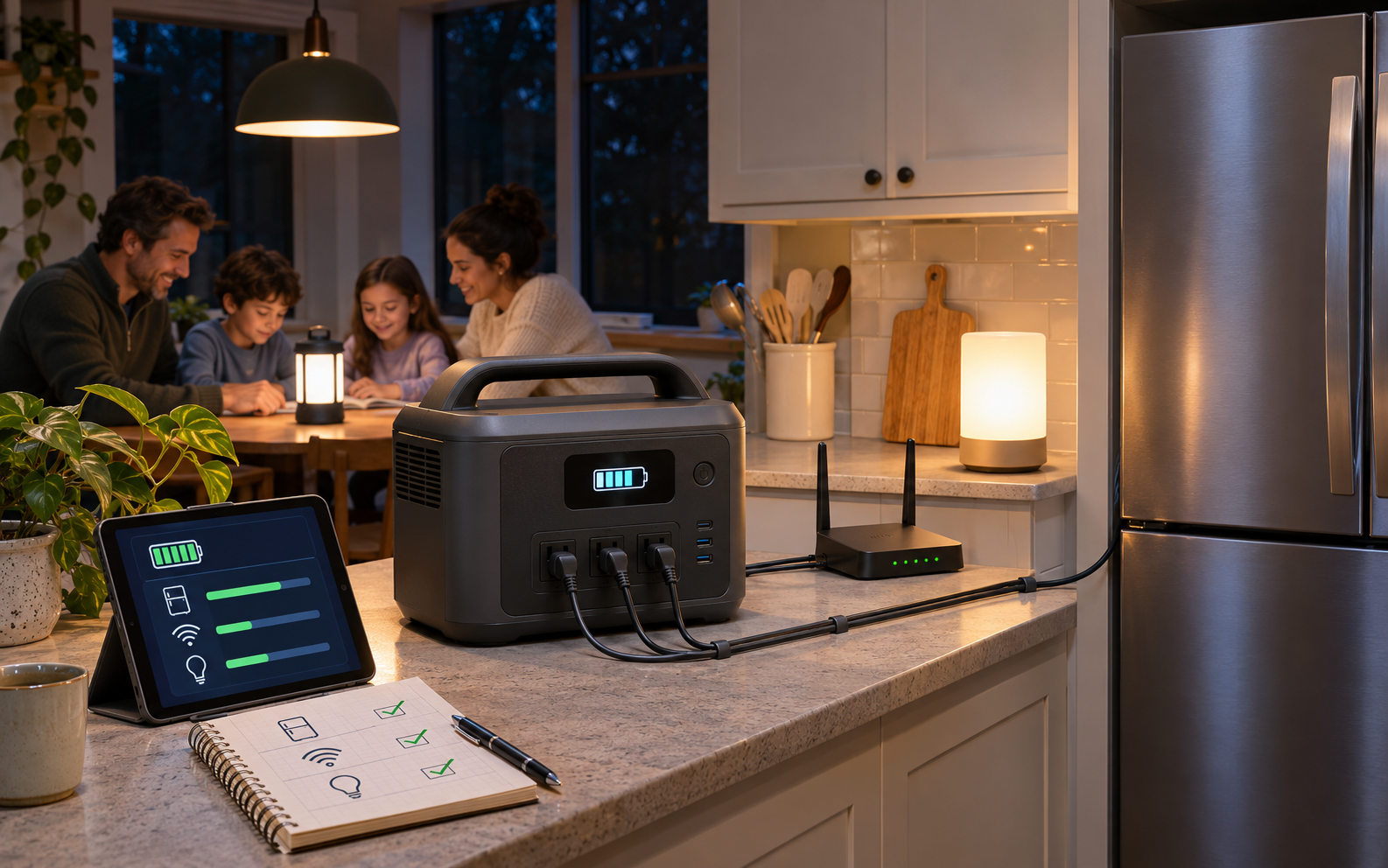
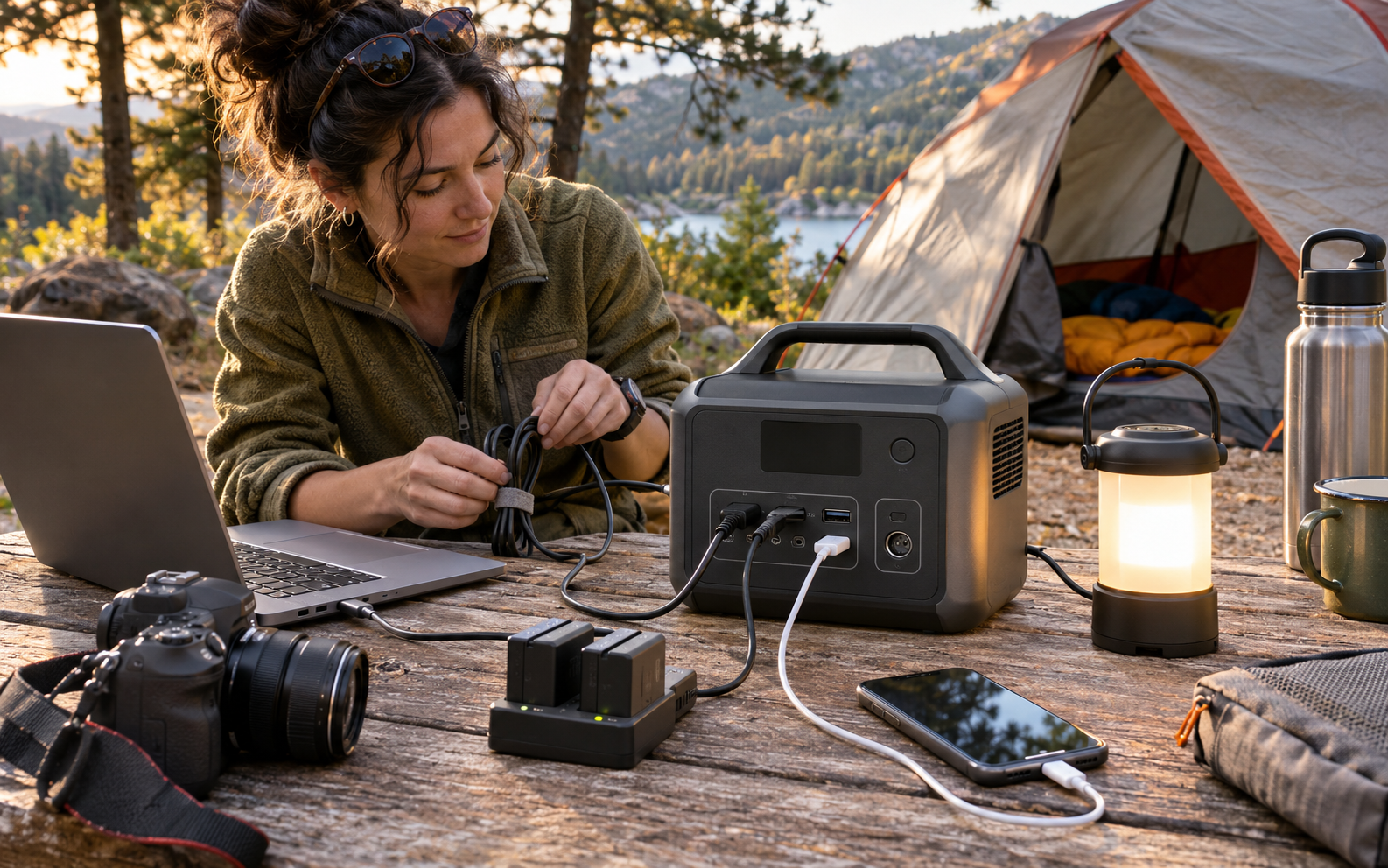
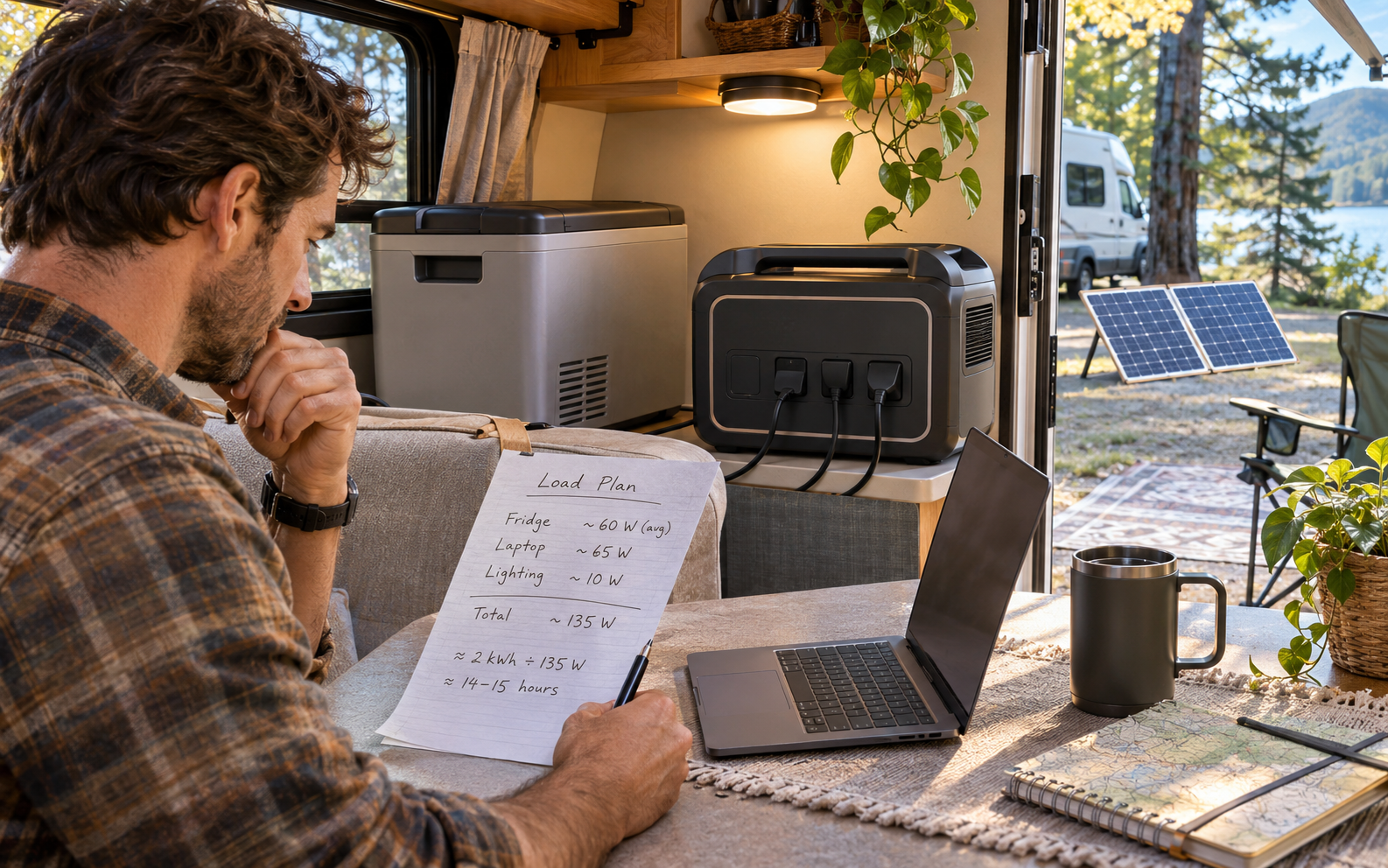
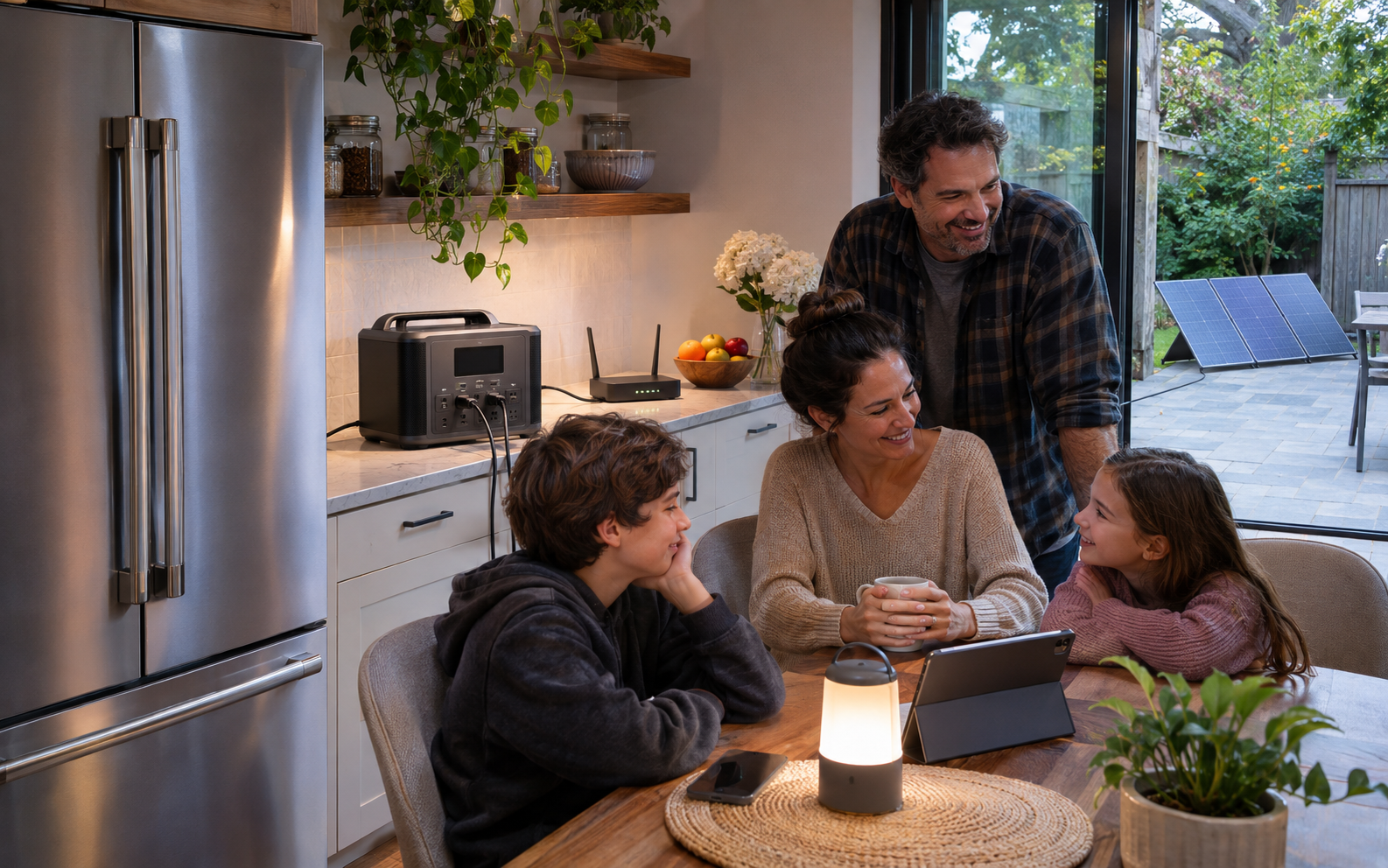
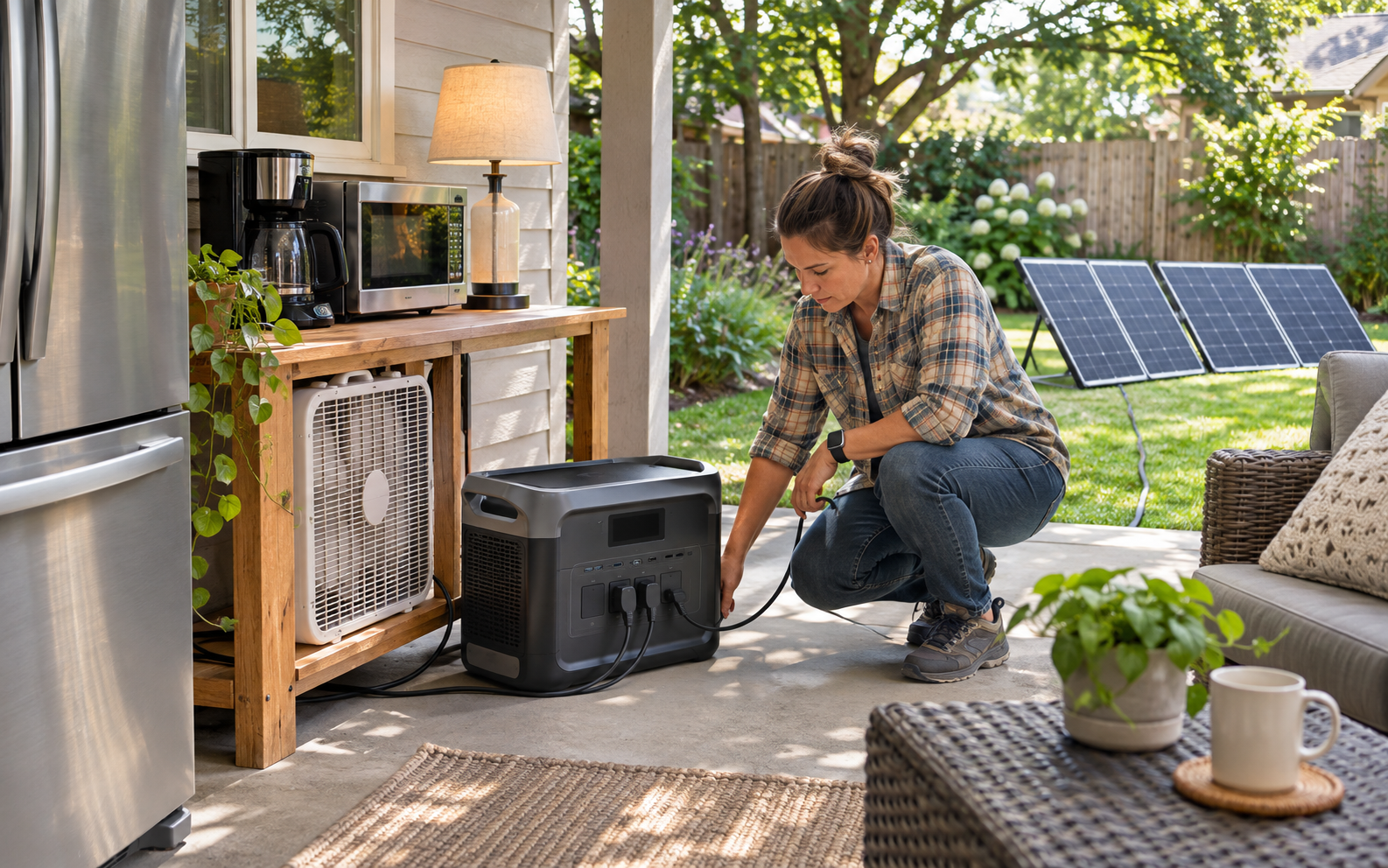
The base DELTA 3 Max combines 2,048Wh, 2,400W AC output, LFP chemistry, 500W maximum solar input, and a published 10-ms UPS mode. It is a strong selective-backup unit when the household writes a load budget instead of plugging in everything at once.
The Elite 30 V2 packages 288Wh, 600W continuous AC output, LFP cells, up to 200W solar input, and 100W plus 140W USB-C ports into a roughly 9.5-pound body. Its best use is concentrated electronics power, not pretending a small battery is a home-backup system.
The Elite 200 V2 offers 2,080Wh, 2,600W continuous AC output, 1,000W solar input, LFP chemistry, and a published 15-ms-or-faster UPS transfer. It is a compact high-output box, but BLUETTI lists no battery scalability and no 240V split-phase bonding.
The 2,042Wh Explorer 2000 v2 balances useful backup capacity with a roughly 39.5-pound body, while the linked bundle adds two 200W panels. Its 2,200W continuous output and sub-20ms UPS mode suit selective backup, not an entire high-load house.
The Explorer 5000 Plus moves into home-backup territory with 5,040Wh, 7,200W output, 14,400W surge, and 120/240V support. Those numbers are compelling only after transfer hardware, charging strategy, load priorities, and local electrical work are planned.
The HomePower 3600 Plus combines 3,584Wh, 3,600W output, 7,200W surge, and an LFP battery with two 200W panels in the linked bundle. One unit is a strong selective-backup tool; 240V requires a two-unit system and should be budgeted accordingly.
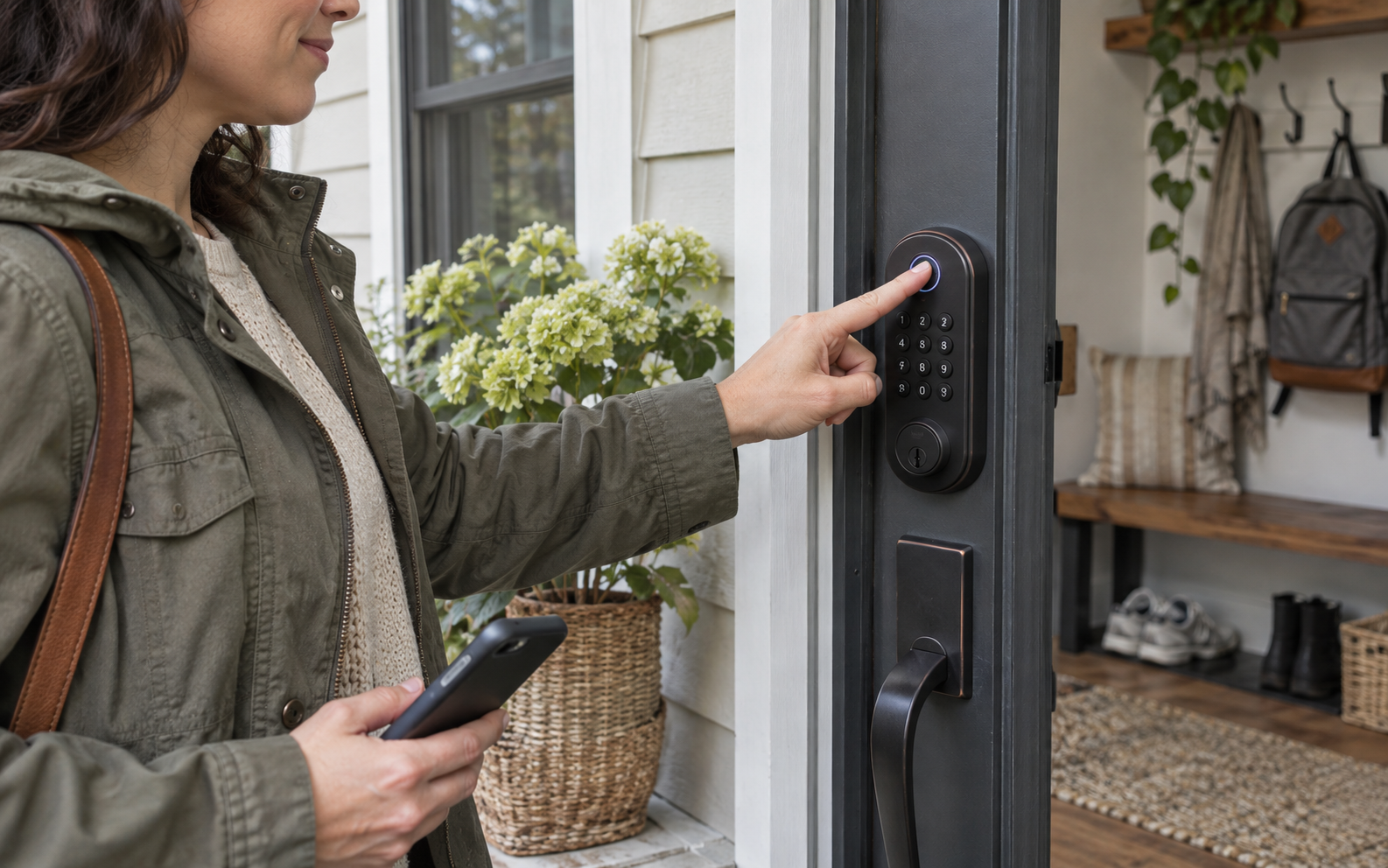
The Aqara U400 is the Aqara lock to buy for true hands-free Apple entry, provided the household already has a compatible UWB iPhone or Apple Watch and a Thread-enabled Apple home hub. Its fingerprint, keypad, Home Key, NFC, app, and physical-key fallbacks make it less dependent on one clever feature, but buyers outside that Apple hardware path should not pay mainly for UWB.
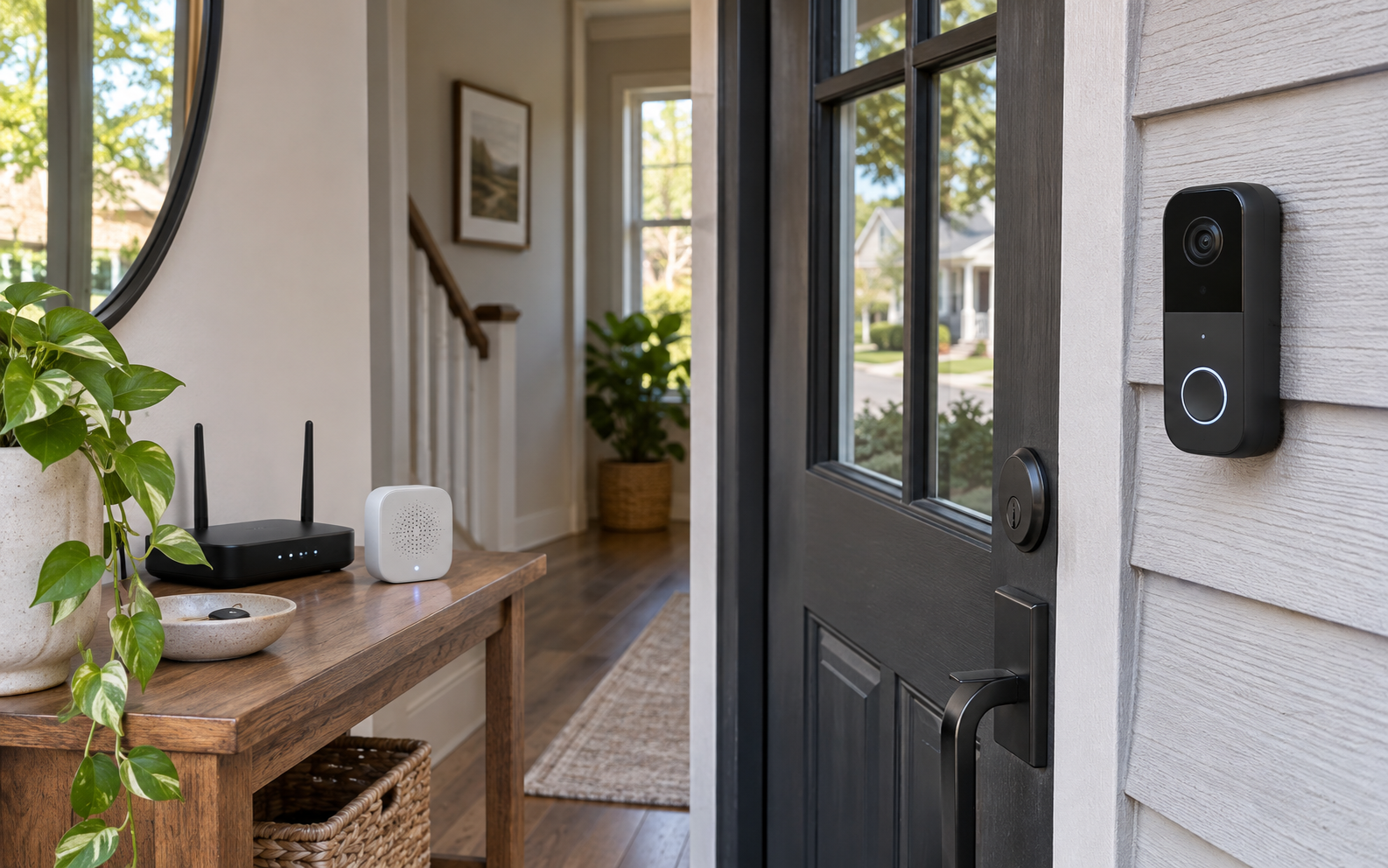
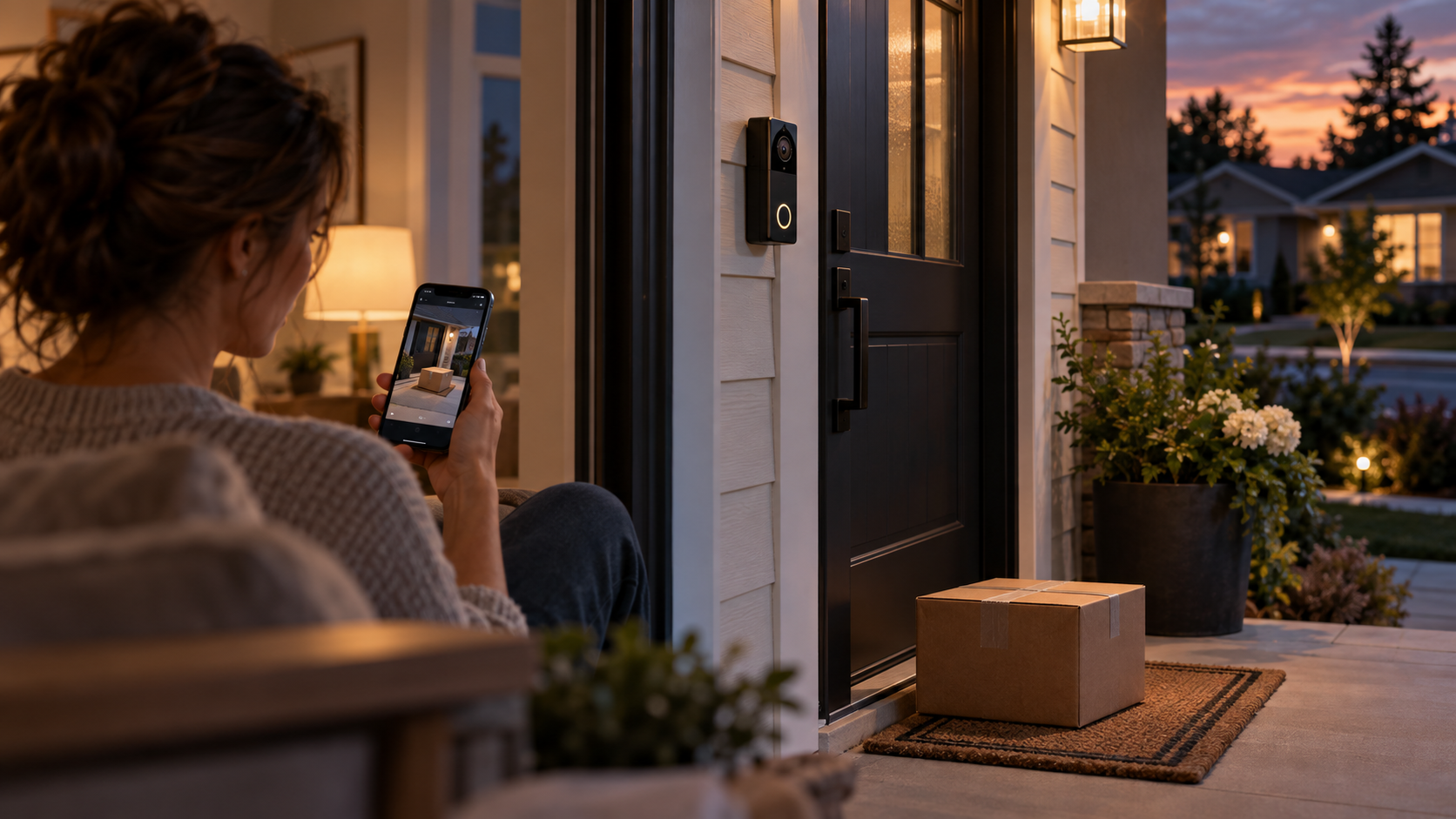
The Aqara G410 is more than a battery-capable 2K doorbell: its included indoor chime is also a Matter controller, Thread border router, and Aqara Zigbee hub. That makes it unusually efficient for a growing smart home, but buyers who only need a wired camera should compare the cheaper PoE-capable G400 before paying for hub duties they will not use.
The Aqara U100 remains the practical Aqara deadbolt for households that want fingerprint entry, Apple Home Key, guest codes, and a physical-key backup at a lower tier than U400. Its richest remote and automation features still depend on the right Aqara hub, so the lock should be budgeted as part of a system rather than assumed to be fully remote on its own.
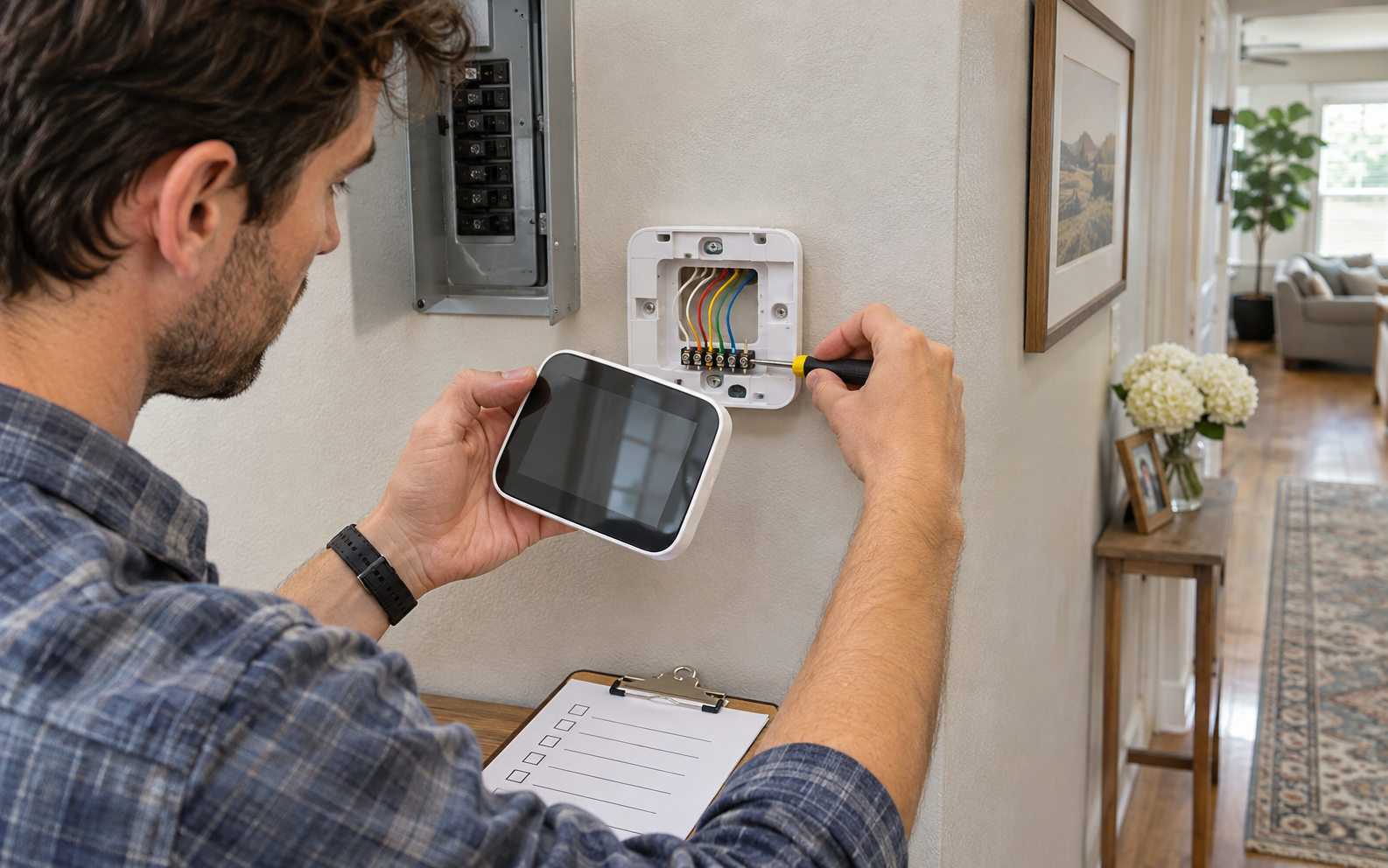
The Aqara W200 is most compelling as a thermostat, smart-home hub, presence sensor, and four-inch wall control panel in one. Its Apple Adaptive Temperature support and doorbell snapshots are useful bonuses, but HVAC compatibility, 24VAC wiring, C-wire availability, and professional-installation needs should be settled before the household pays for dashboard features.
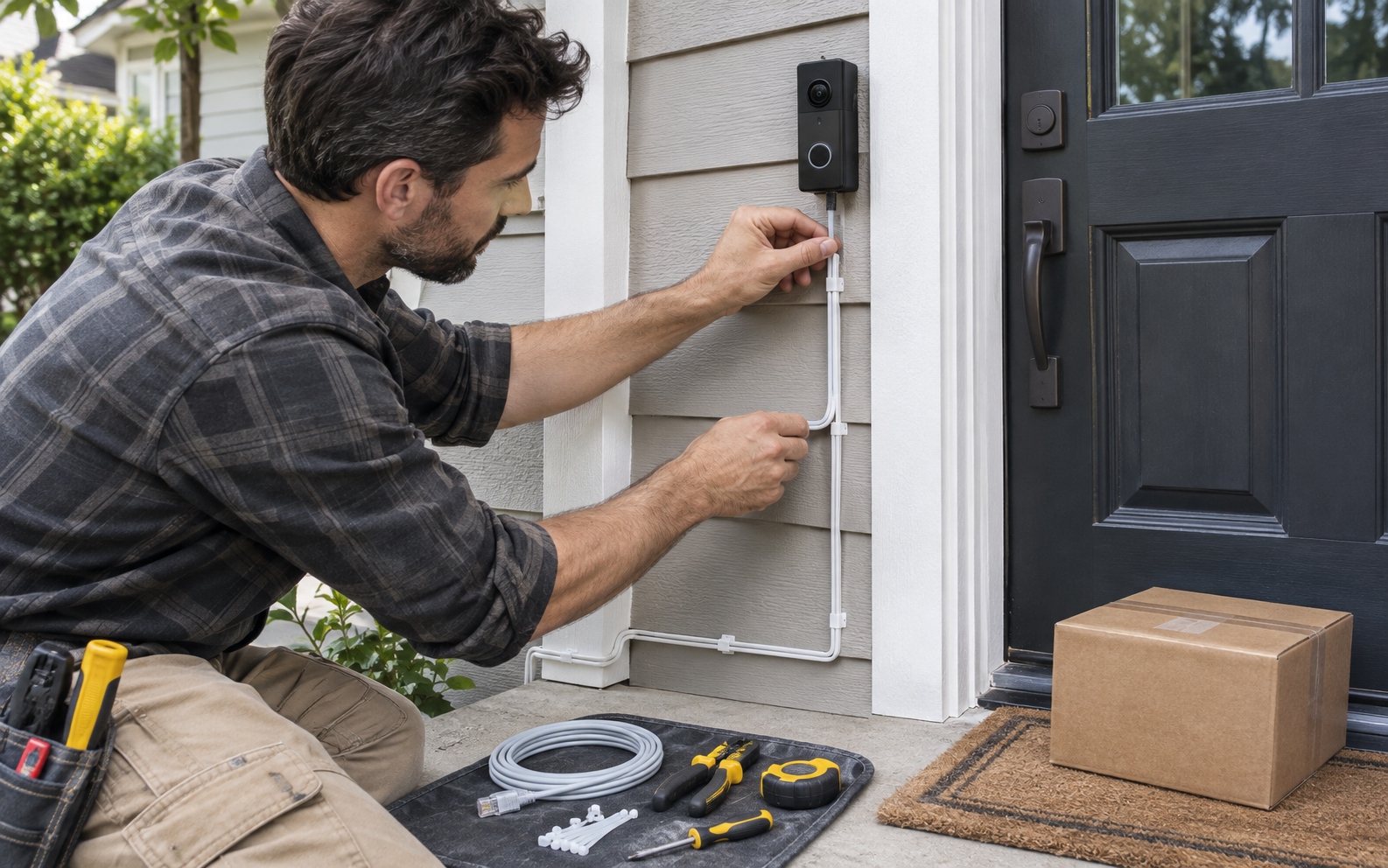
The Aqara G400 is the more purposeful Aqara doorbell for buyers who can supply permanent power: PoE can carry data and power on one cable, while hardwired Wi-Fi can reuse a suitable transformer. It gives up the G410's hub role and battery flexibility in exchange for a cleaner always-on security workflow with ONVIF, RTSP, NAS backup, and 24/7 microSD recording.
The Reolink Battery Video Doorbell (2nd Gen) is the Reolink model to buy when head-to-toe framing, local microSD storage, and flexible battery-or-wired installation matter more than joining a subscription-first doorbell ecosystem.
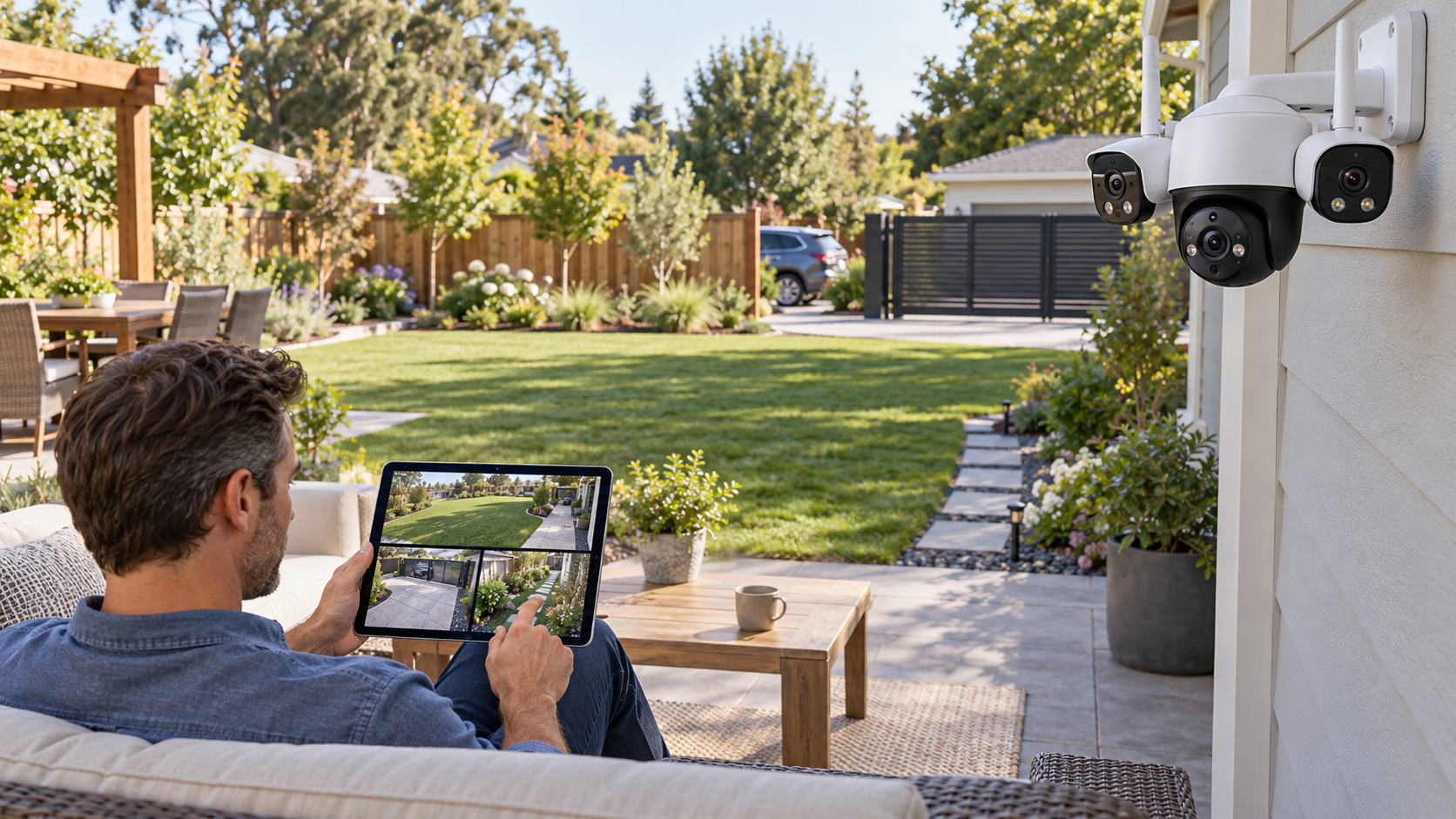
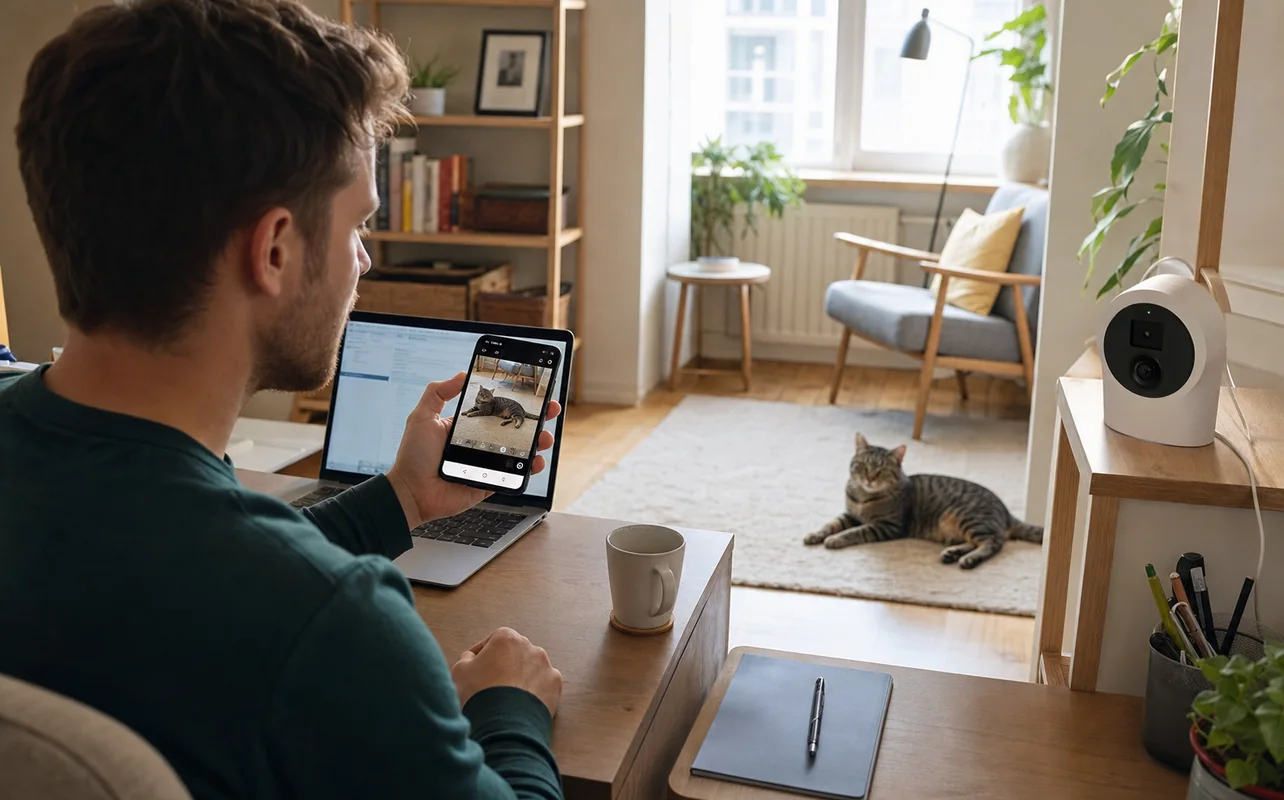
The OMVI 3i WiFi is Reolink's most interesting single-camera recommendation for a genuinely wide property: its fixed 180-degree panorama preserves context while a separate 8MP pan-tilt lens follows detail, but it demands reliable power, strong Wi-Fi, and compatible viewing hardware.
The Duo 3 PoE is the Reolink model to choose when a fixed, seamless 180-degree overview matters more than zoom or mechanical tracking; its 16MP panorama is useful only if the mounting height, network, and storage plan can support that much detail.
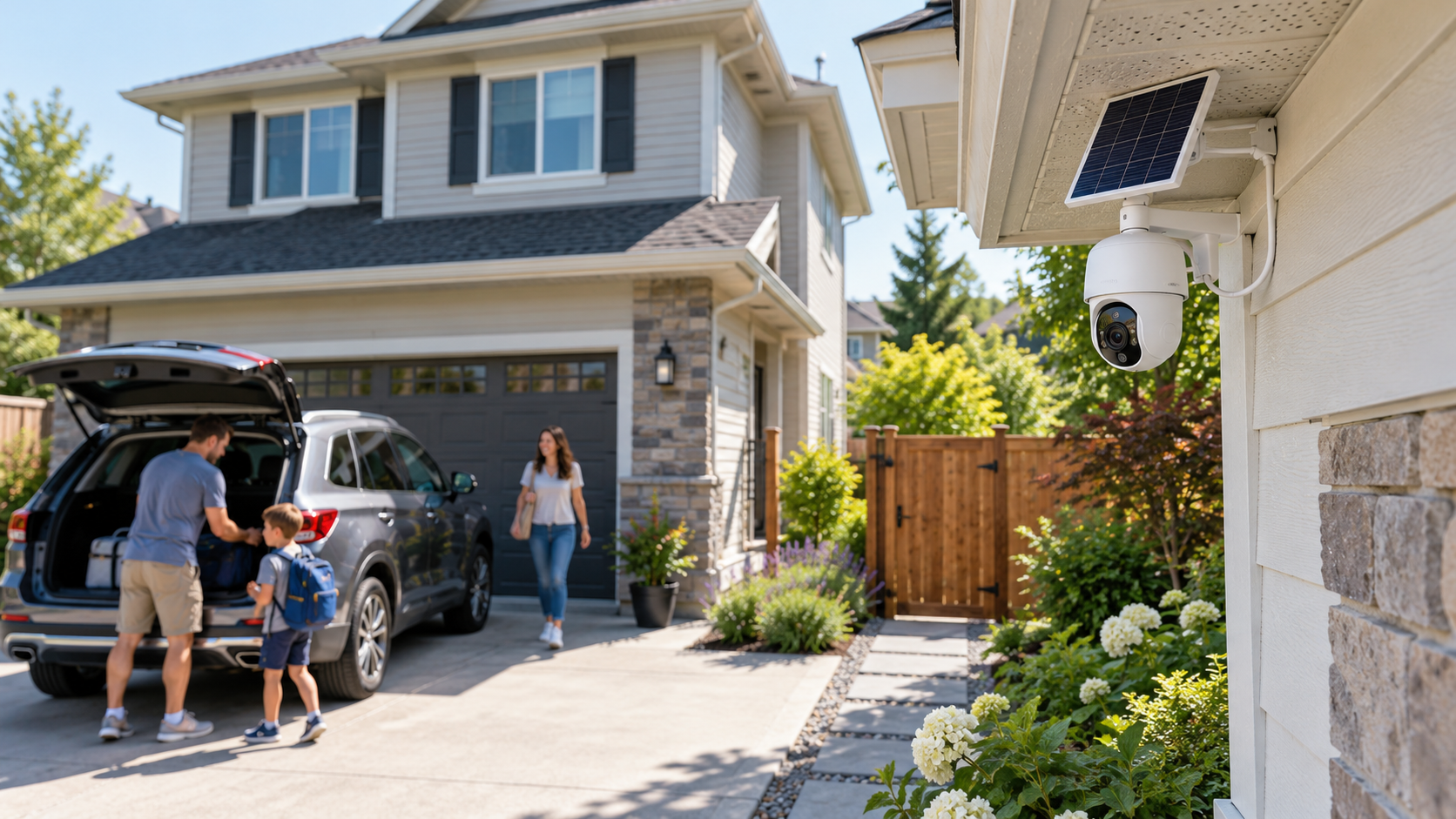
The Argus PT Ultra is a sensible Reolink recommendation for difficult-to-wire outdoor areas that receive usable sun: it combines 4K capture, pan-tilt coverage, and solar charging, but its PIR-triggered battery workflow is not a substitute for continuous PoE surveillance.
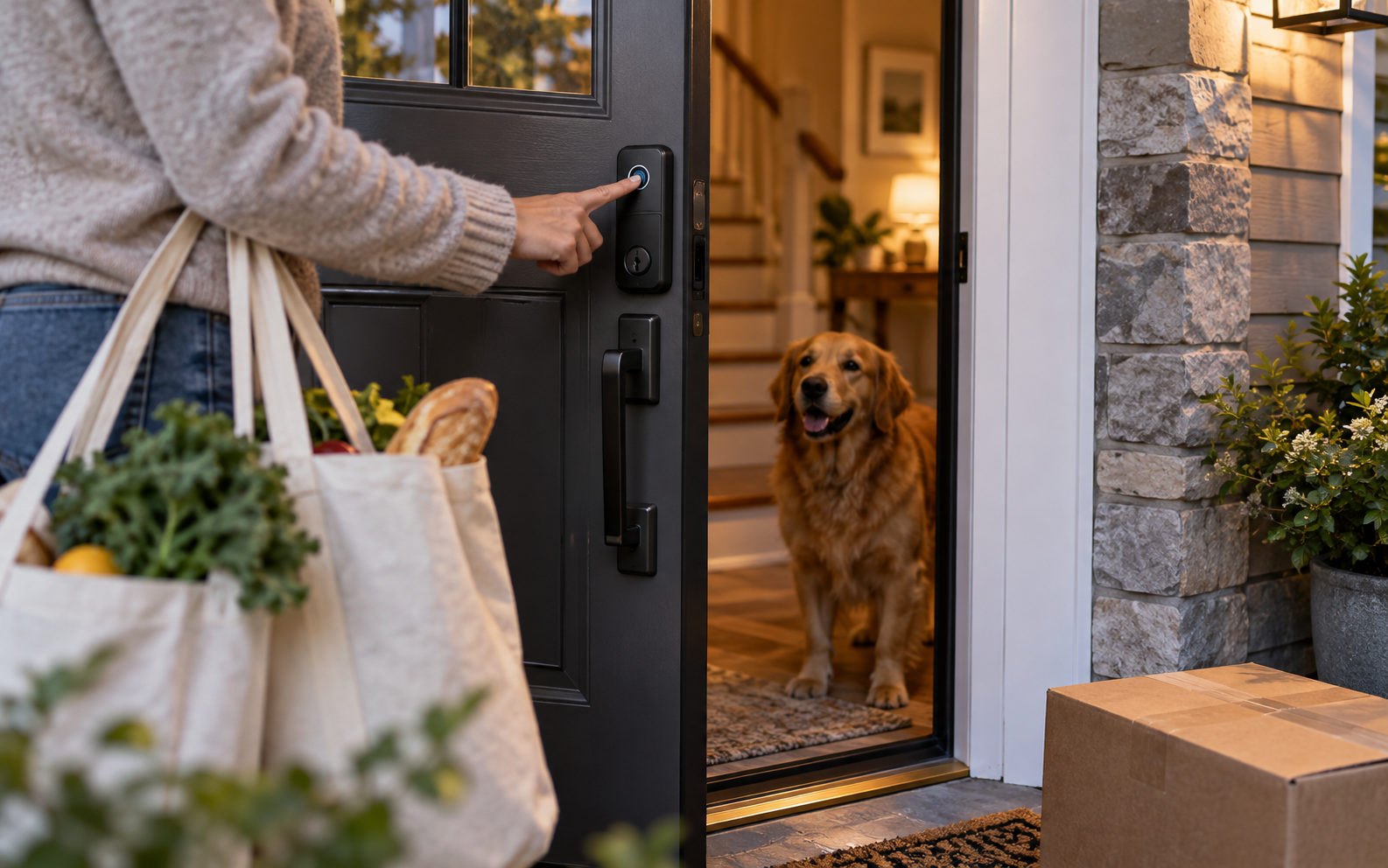
The Tapo DL105 is a useful specific-model recommendation when fingerprint entry, scheduled guest codes, Wi-Fi monitoring, and a rechargeable battery solve daily front-door friction; door compatibility and backup-entry habits matter more than app novelty.