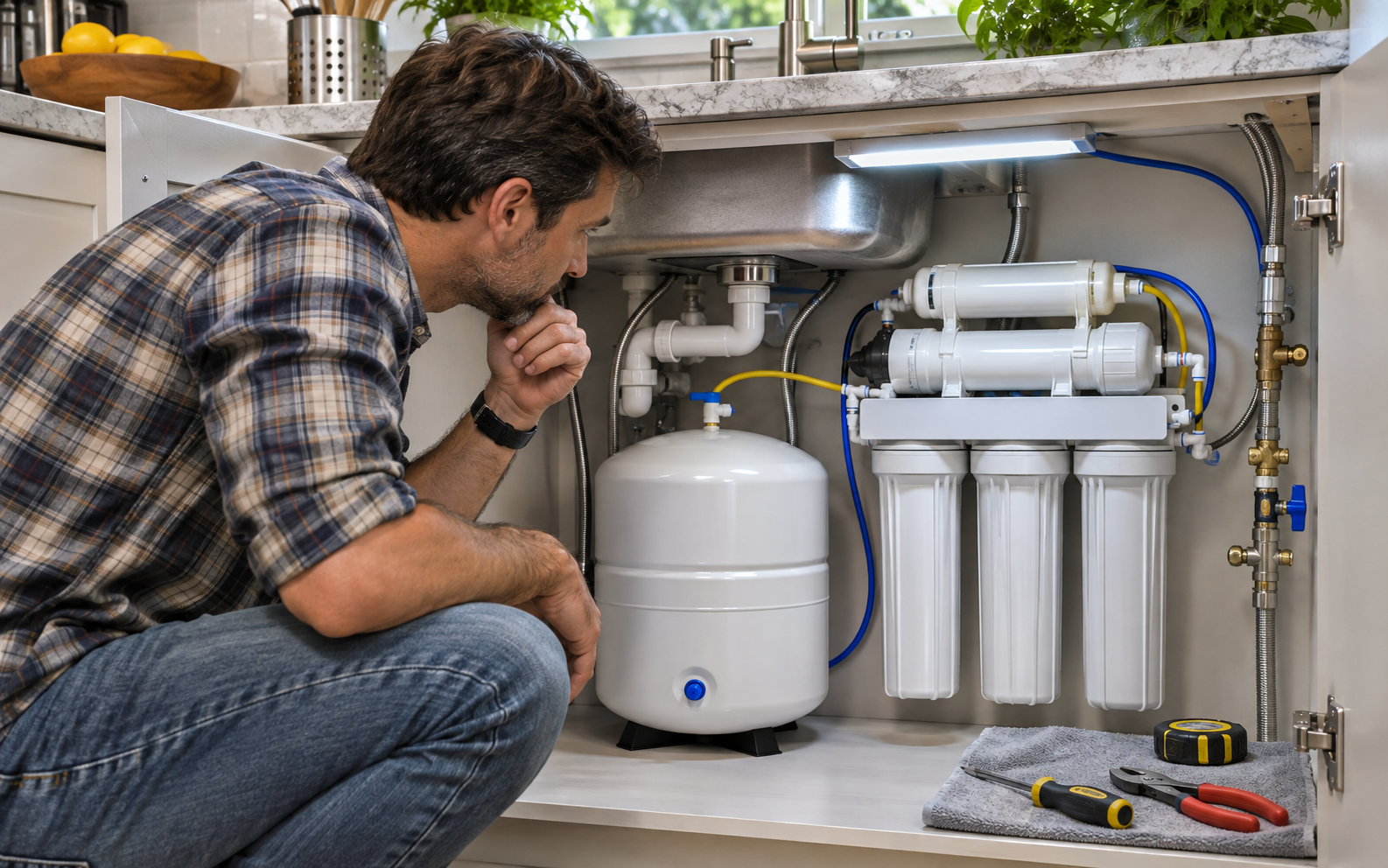
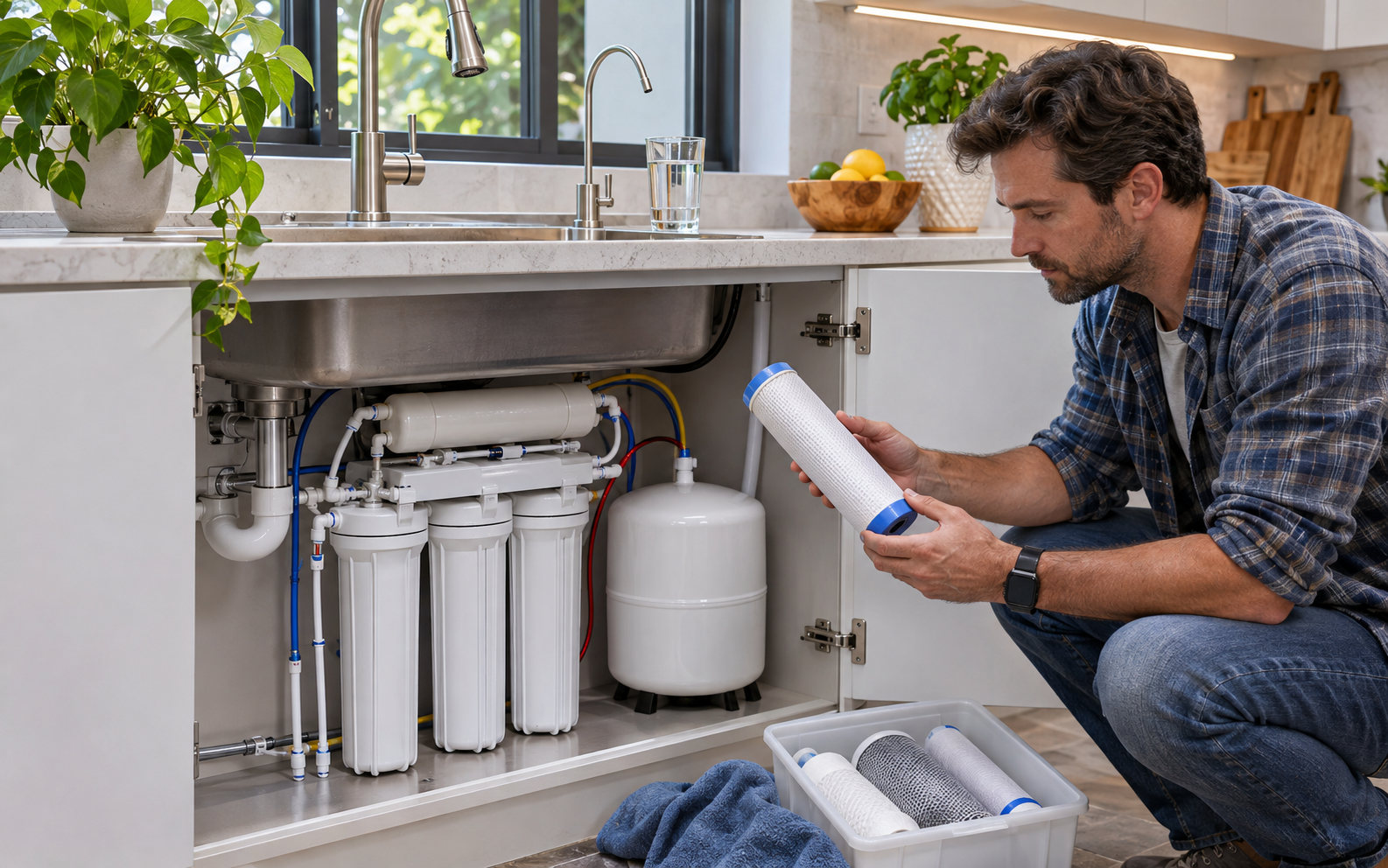
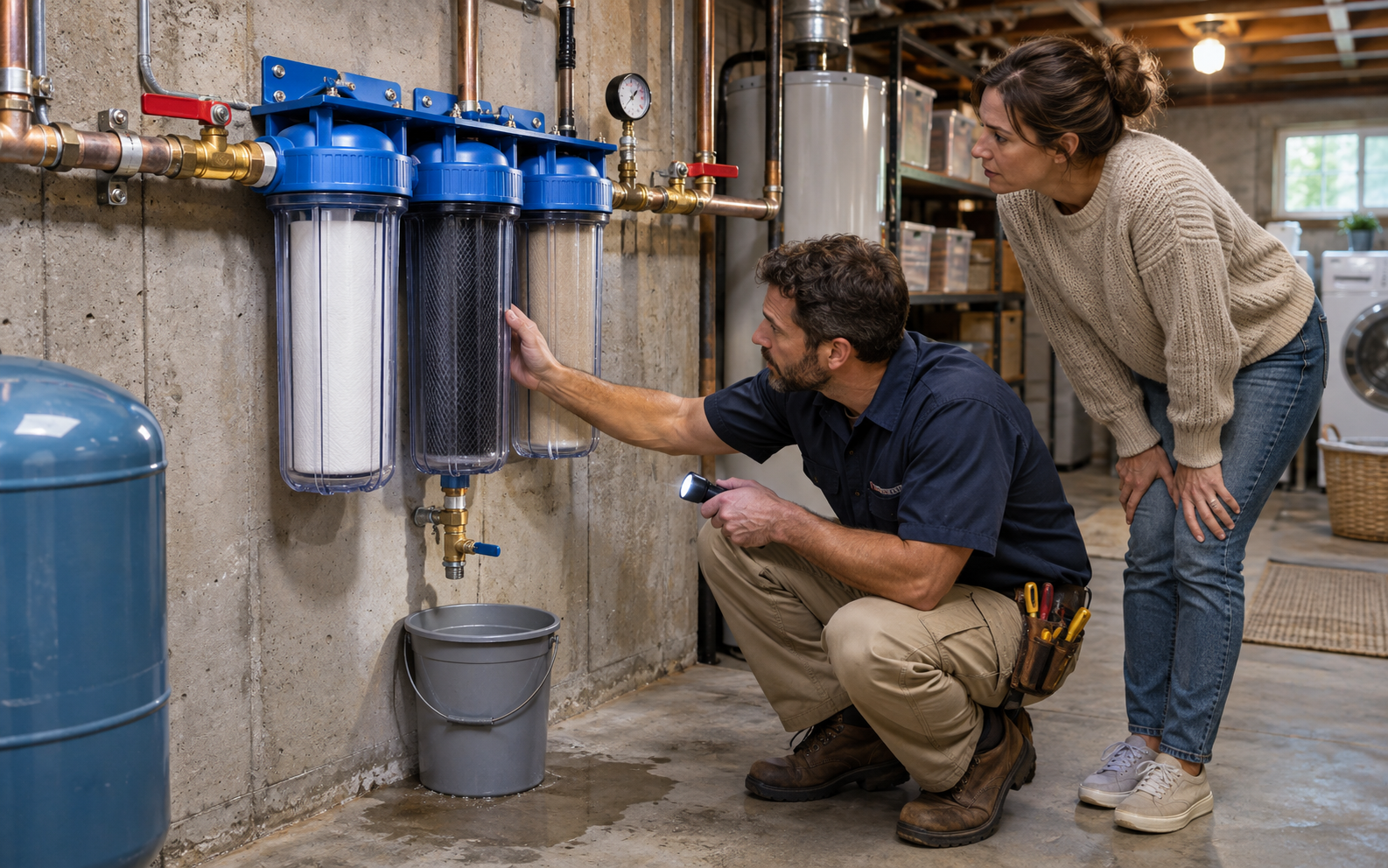
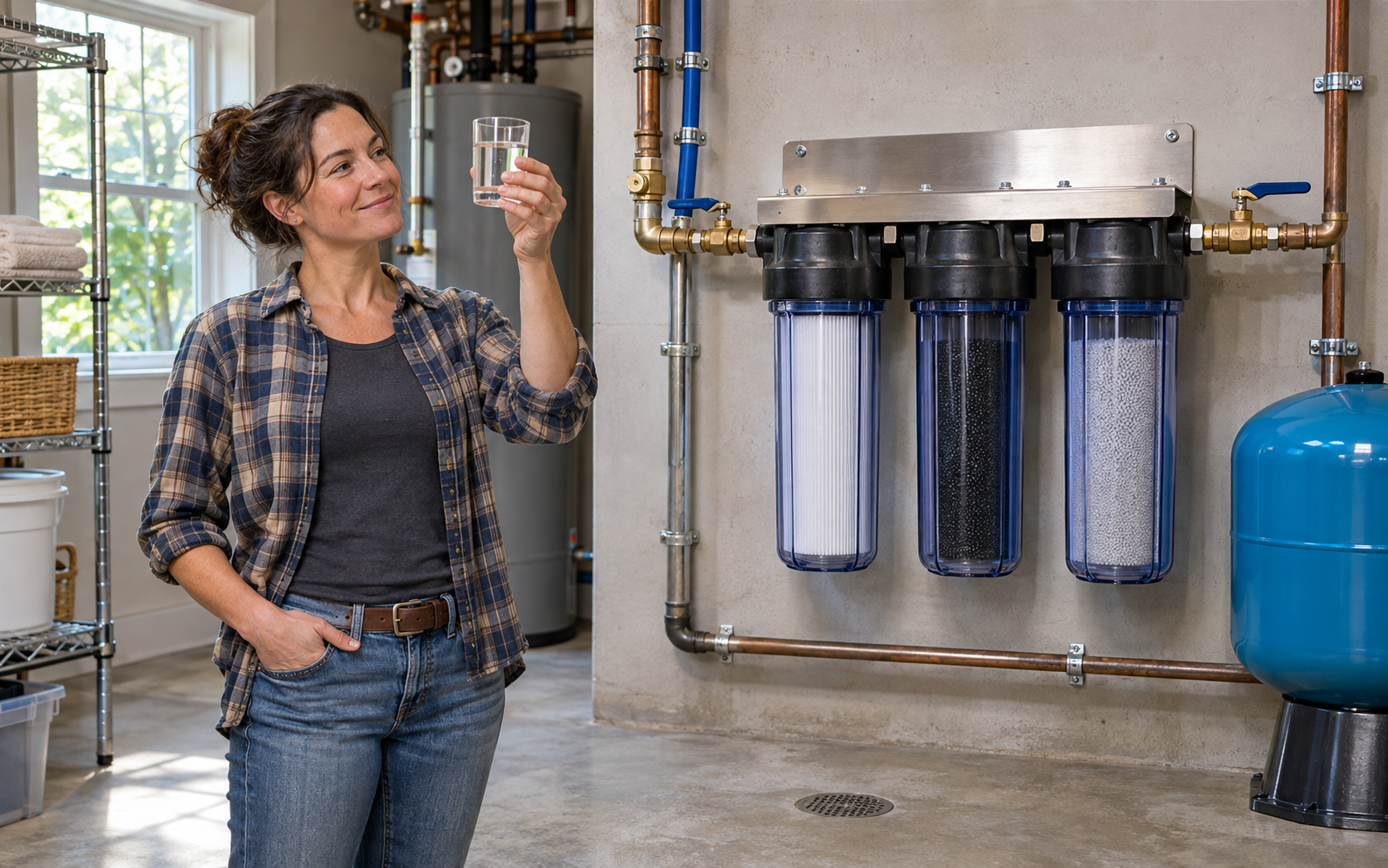
The RCC7-BN is a conventional 75-GPD five-stage under-sink RO system with a storage tank and brushed-nickel faucet. Its strength is a familiar serviceable layout; its costs are cabinet space, drain water, and filter discipline.
The RCC7AK-BN adds a remineralization stage to the familiar 75-GPD tank-based RCC7 platform. Choose it for the taste profile and serviceable layout, not for broad health promises attached to the word alkaline.
The WGB32B is a three-stage big-blue system for sediment and carbon treatment with up to 15-GPM published flow and one-inch ports. It does not replace a softener or solve every dissolved contaminant.
The WGB32BM adds a cartridge intended for iron and manganese to a three-stage whole-house system. Its suitability depends on measured concentration, pH, competing contaminants, and household flow—not the color of a stain alone.
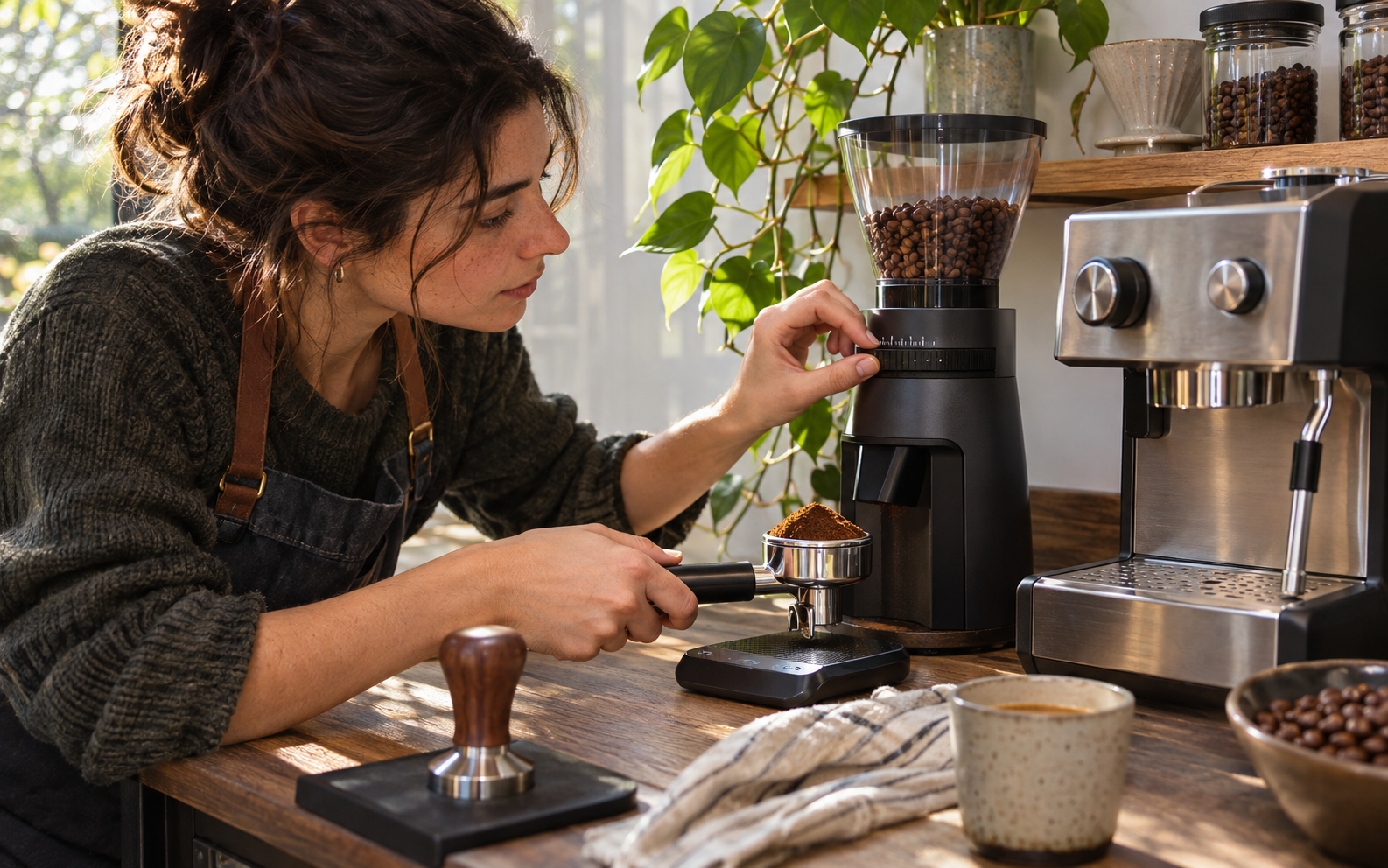
Opus 2 uses 48-mm conical burrs, stepless adjustment, and an espresso-to-cold-brew range. The flexibility is real, but switching methods still means tracking settings, purge, retention, and repeatability.
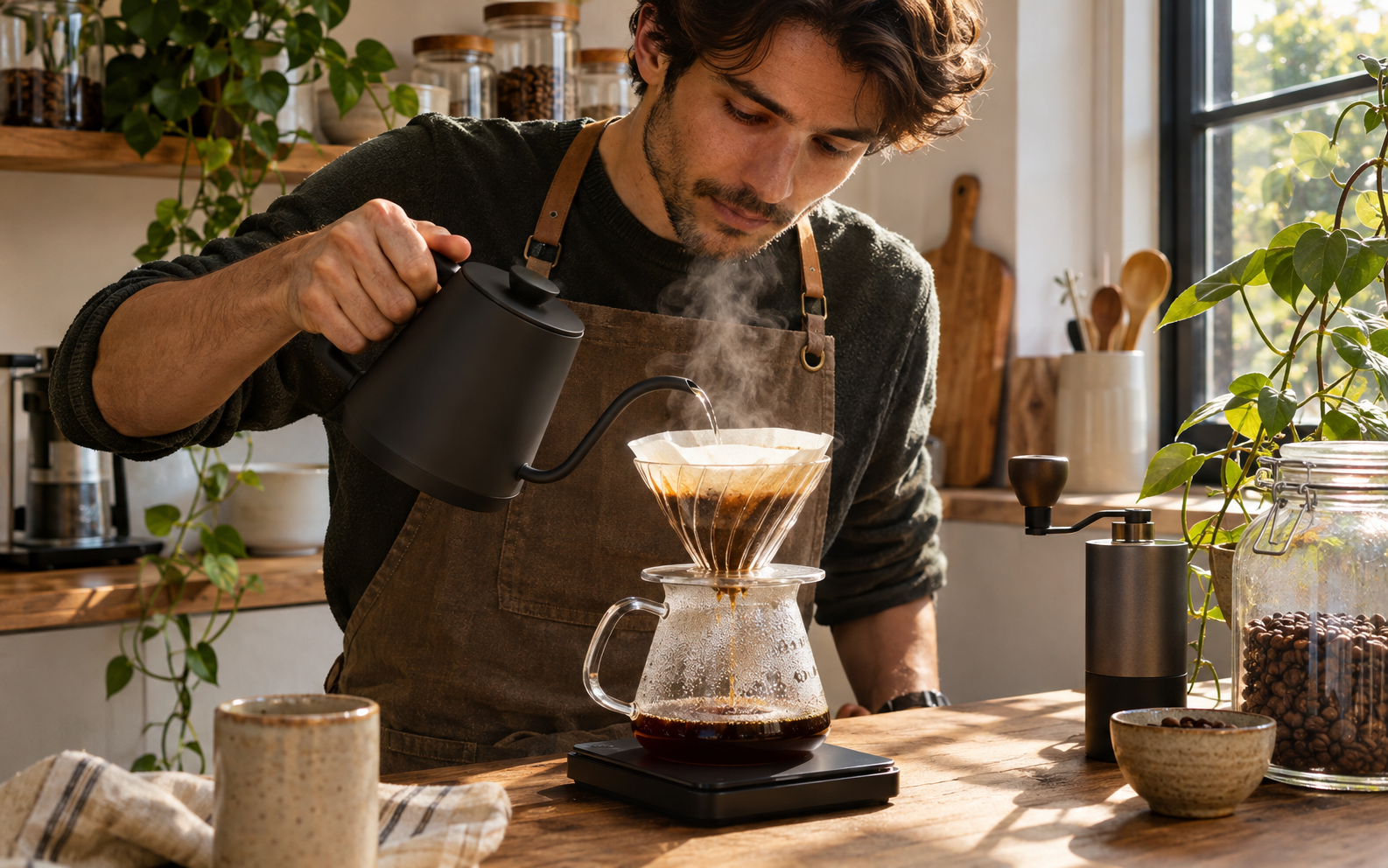
The Stagg EKG Pro centers on controlled gooseneck pouring, variable temperature, hold behavior, and an interface designed for repeatable brewing. It is a premium tool, not a requirement for good coffee.
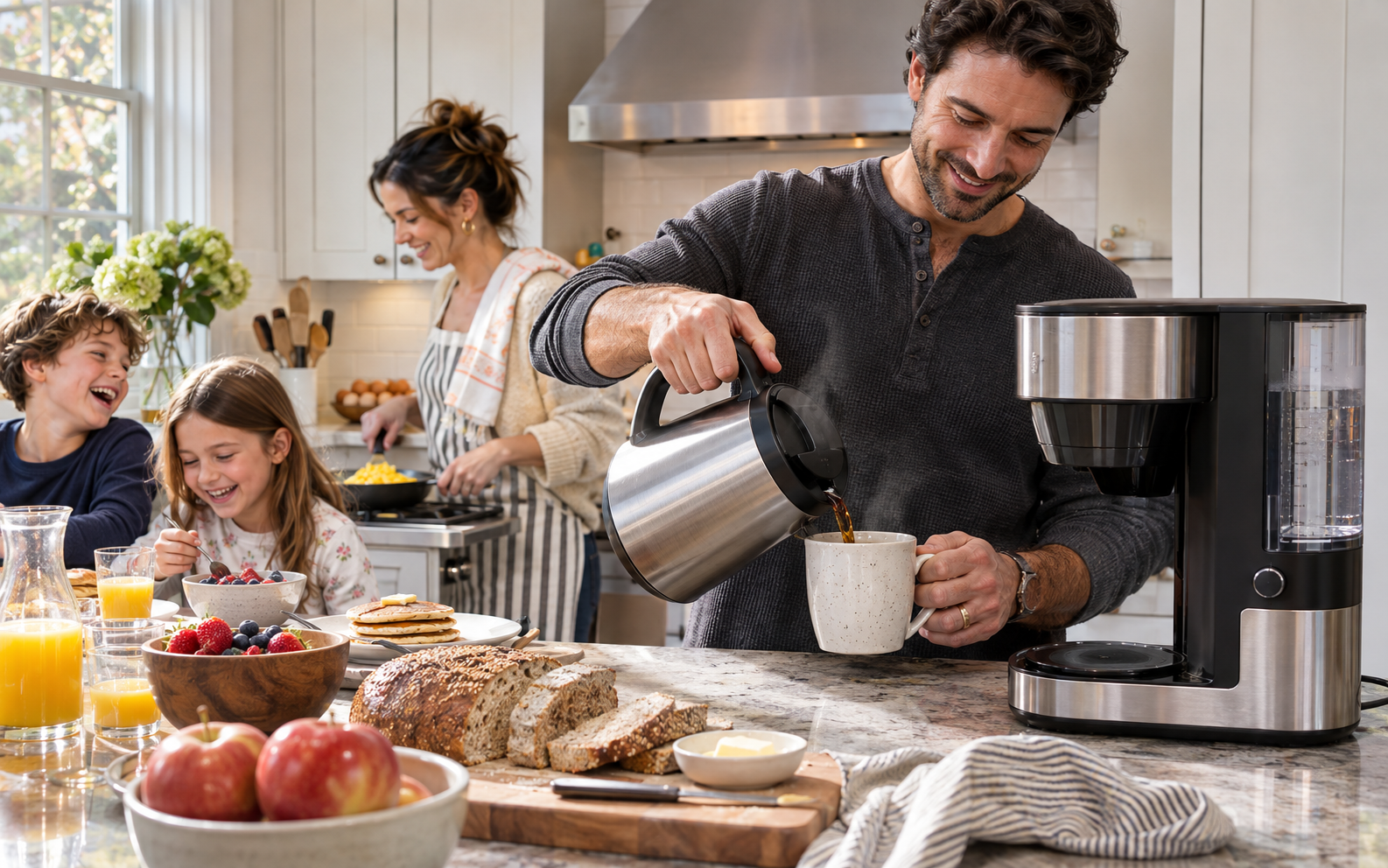
Aiden is designed to bridge single-cup control and one-to-ten-cup batch brewing into a thermal carafe. Its appeal is repeatability and flexible batch size; owners still need good water, fresh coffee, cleaning, and recipe judgment.
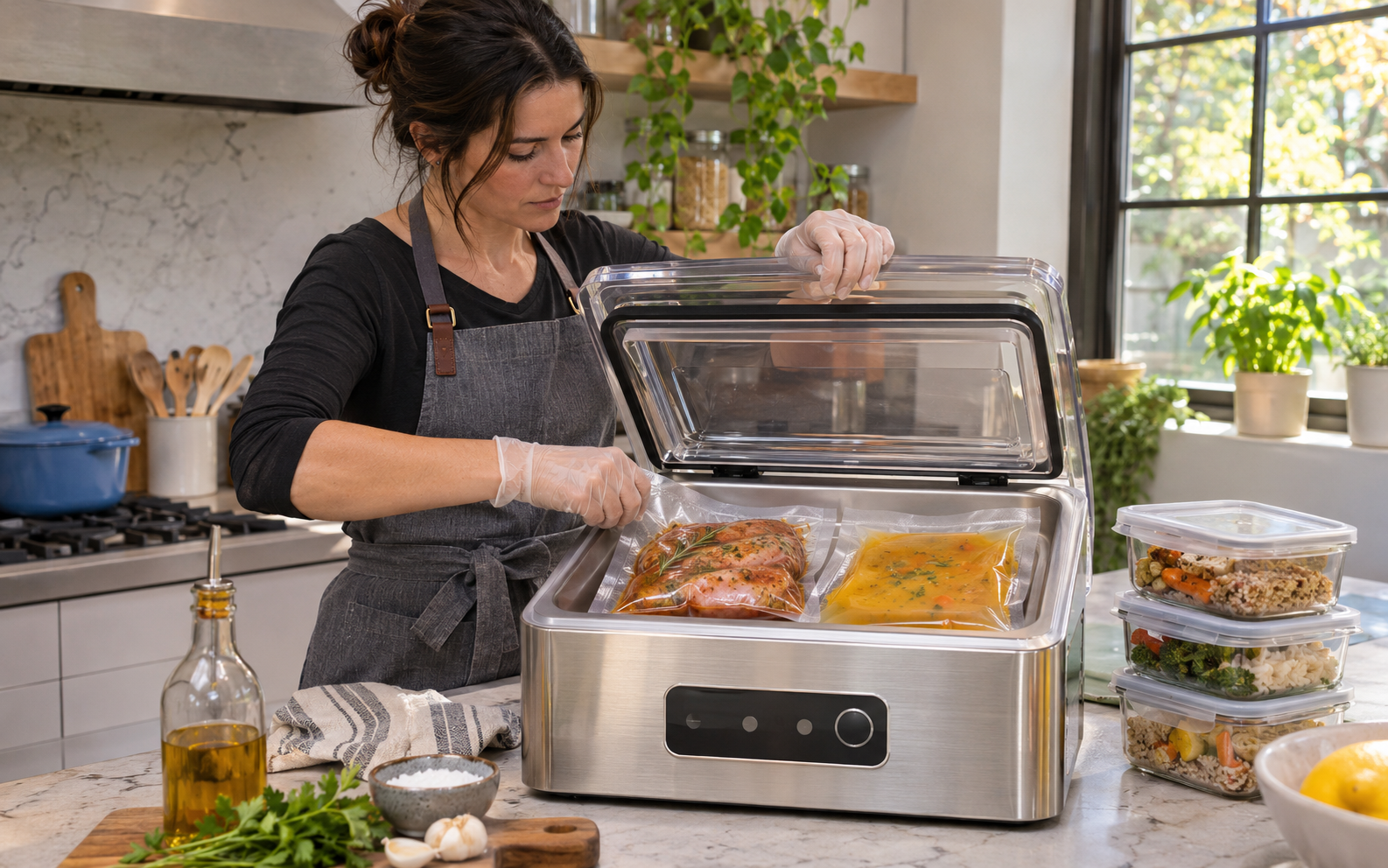
A chamber design is the practical reason to choose this VEVOR over an edge sealer: liquids and marinades stay inside the bag while the chamber evacuates. The tradeoff is a roughly 47-pound stainless machine with a 10.2-inch seal bar and meaningful counter depth.
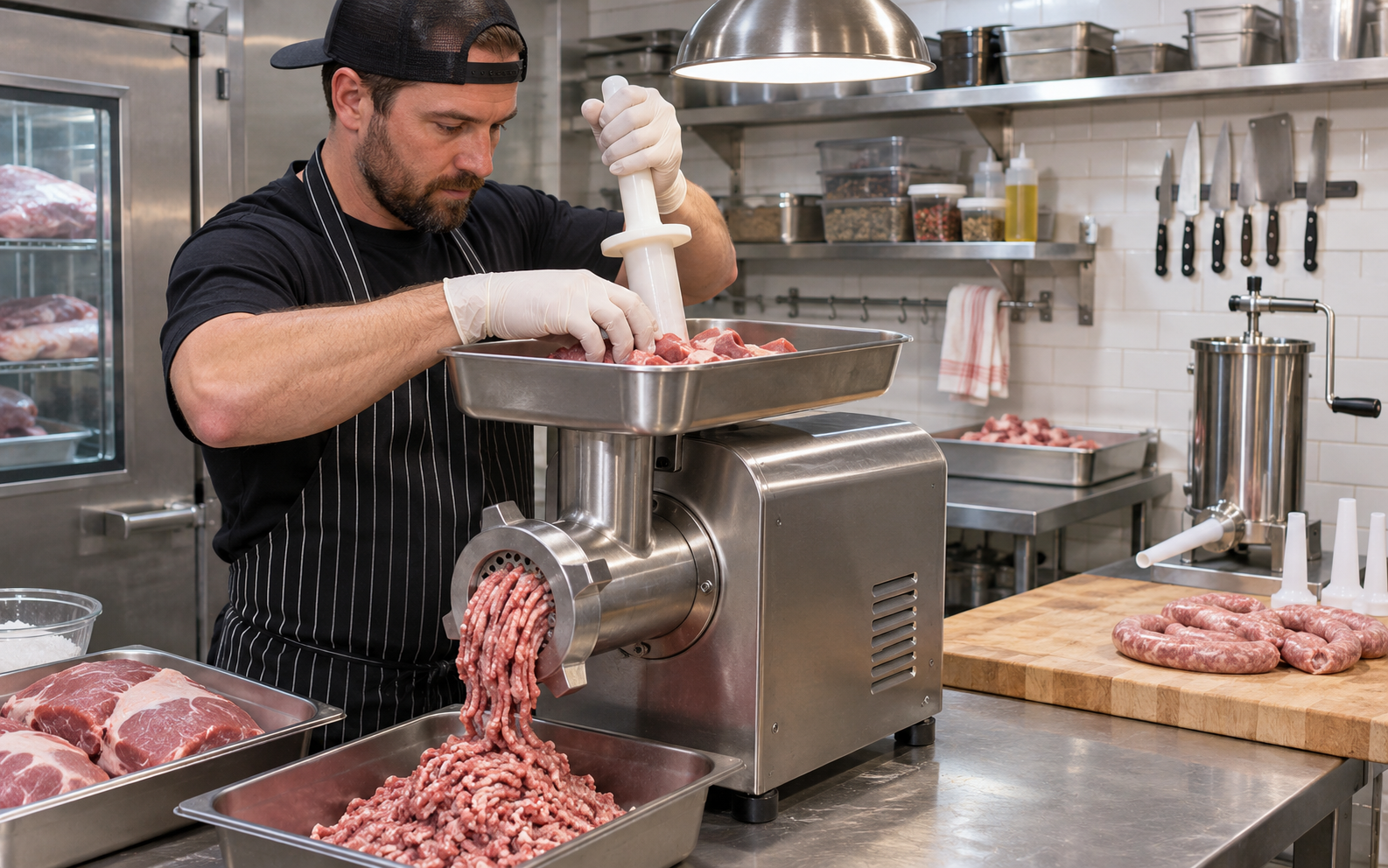
The linked 1100W VEVOR is a high-throughput grinder advertised around 550 pounds per hour, 193 rpm, five plates, and a sausage attachment. That capacity makes sense for a restaurant, butcher, or large seasonal processing day—not a few burger patties.
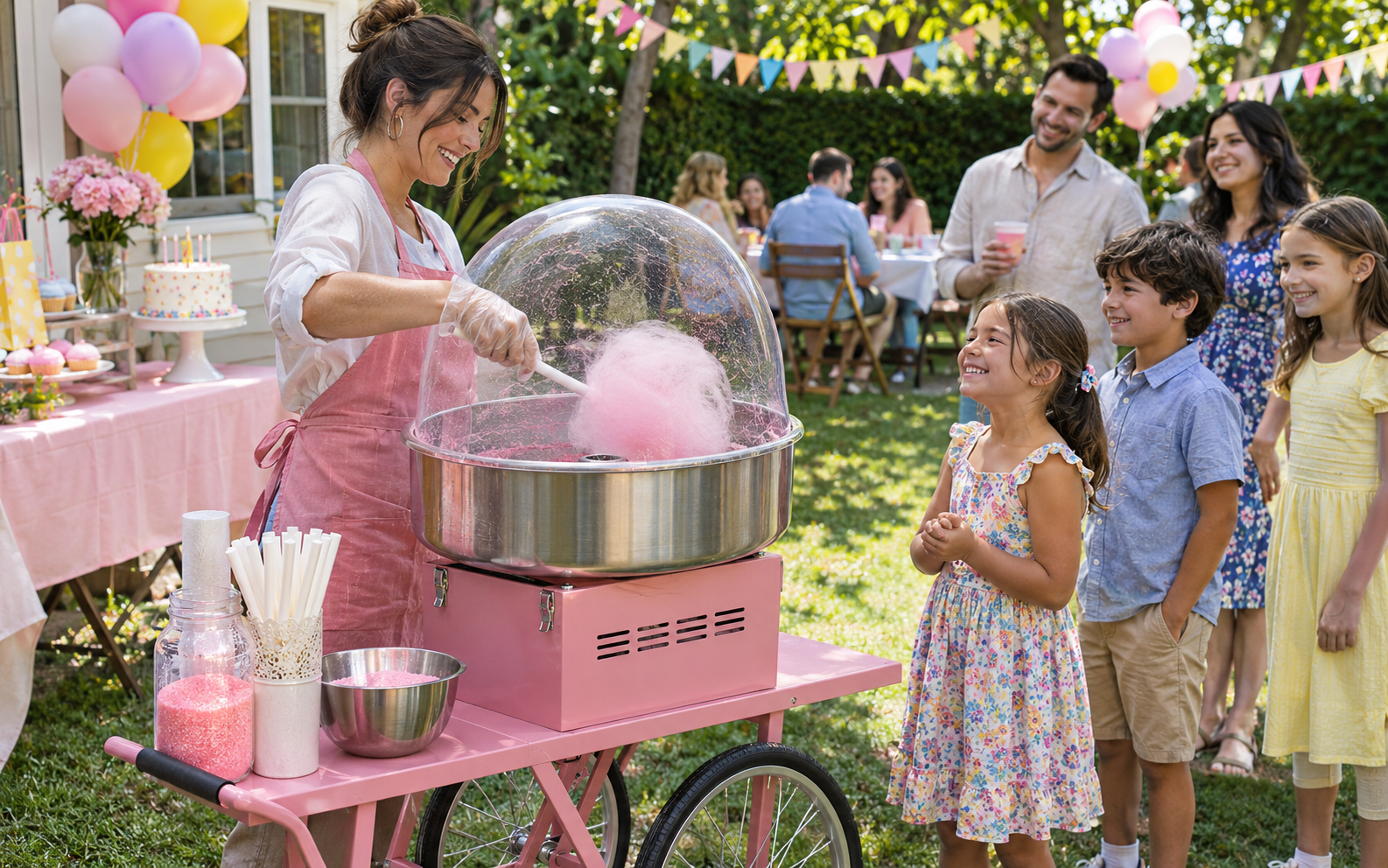
This 1000W-class cart combines a stainless bowl, drawer, sugar scoop, and mobile event presentation. The cart is the convenience; the real operating work is preheating, sugar control, safe spacing, wind management, and cleaning hardened residue.
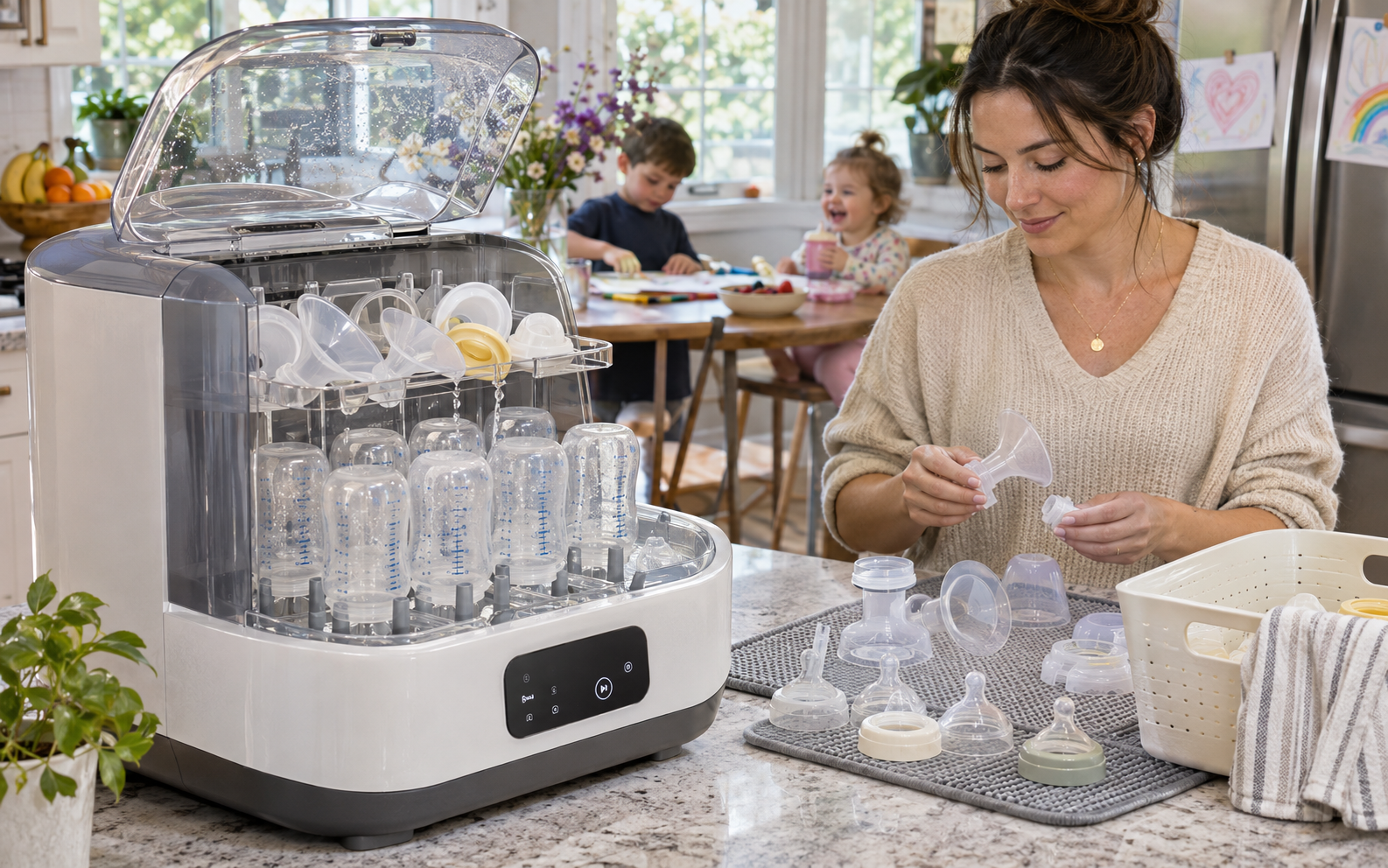
The D8's real advantage is capacity: up to eight bottles or a full pump kit, 64 spray nozzles, 19- or 29-minute wash cycles, steam, drying, and storage. Its 13.78-by-10.63-inch footprint, 15.35-inch height, drain hose, detergent, and descaling requirements must fit the kitchen first.
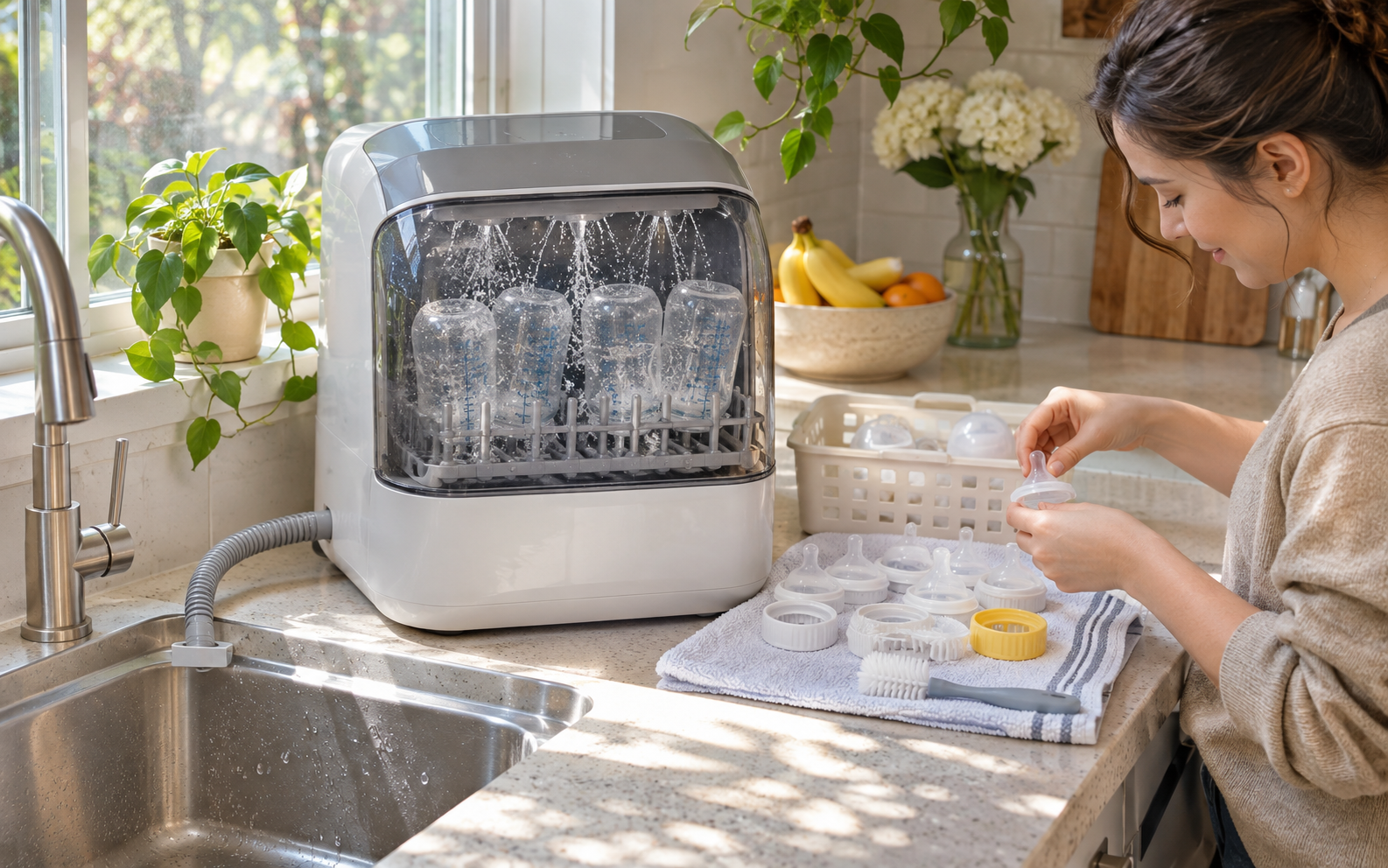
The KleanPal Pro combines four-bottle capacity, nine modes, direct hose drainage, and included detergent tablets. The convenience is real when the drain route, counter footprint, compatible parts, and recurring detergent and descaling work are all acceptable.
Based on published specifications, the Waterdrop X16 is a high-throughput under-sink RO system for genuinely busy kitchens; smaller households should compare filter cost, cabinet fit, and actual flow needs before paying for maximum capacity.
The Waterdrop A2 is compelling for renters and shared kitchens that want RO filtration plus hot and chilled dispensing, provided its 15.9-by-8.2-inch footprint, 15.7-inch height, tank refills, and cleaning routine fit the counter.
The G3P800 is a sensible middle ground for buyers who want an 800 GPD tankless RO system, UV stage, smart-faucet feedback, and a published 3:1 pure-to-drain ratio without stepping up to the largest X-series models.
The Waterdrop X12 suits high-demand kitchens that want 1,200 GPD published capacity and remineralization, but buyers should verify the exact certified reductions, mineral taste preference, cabinet layout, and three-filter replacement plan.
The Waterdrop K19-H is a practical installation-free option for hot drinks and filtered water when a household accepts manual tank refills, a 15.51-by-9.2-inch footprint, 17.56-inch height, and no active chilling.